
Aligning Rewards Mechanisms, Live Interactions, and Payment Streams in Handheld Progressive Titles
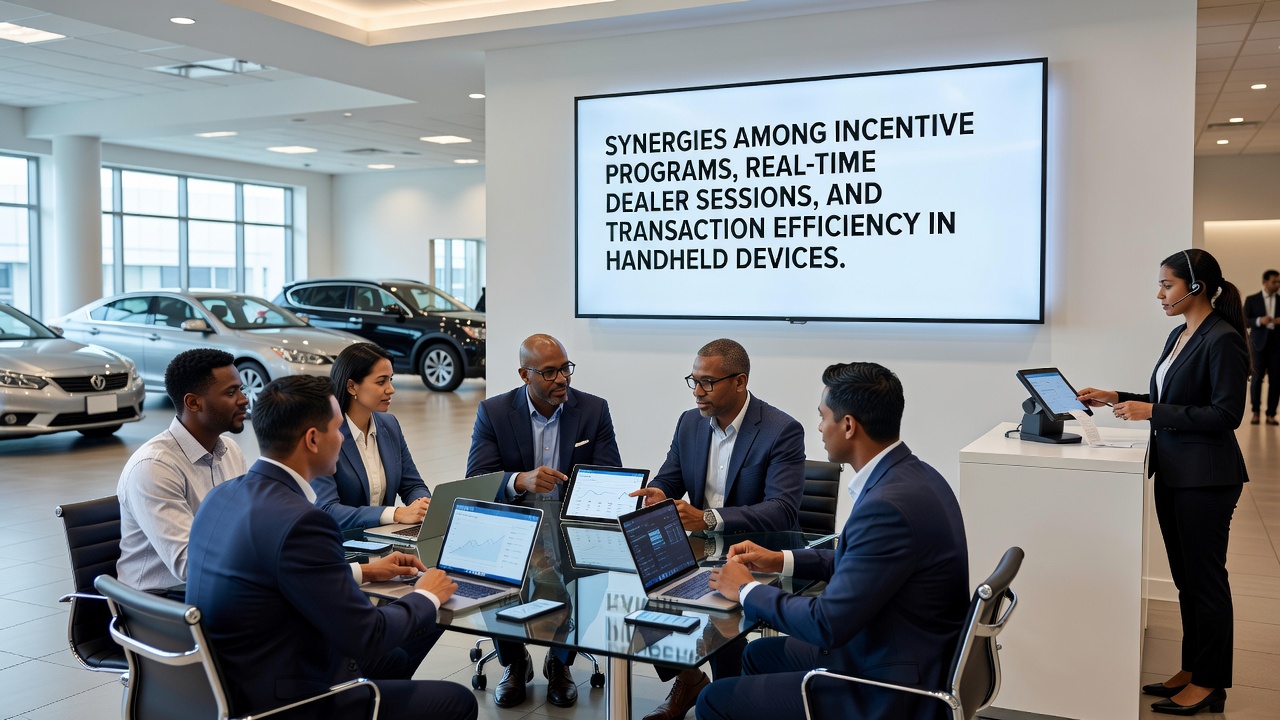
Handheld progressive games combine jackpot accumulation across multiple platforms with mobile access, and operators integrate incentive programs with real-time dealer sessions alongside faster transaction systems to support player engagement, according to industry data from multiple markets. These components operate through shared data layers where reward triggers activate during live sessions while transaction logs update in parallel.
Research from the American Gaming Association shows that incentive structures in progressive titles often include tiered multipliers applied to jackpot contributions, and these multipliers link directly to session duration metrics collected during dealer-hosted rounds. Operators track participation rates through backend systems that flag when a player completes a live segment and qualifies for an escalated reward tier.
Incentive Program Structures
Progressive games on handheld devices distribute incentives through point accumulation that converts into bonus credits or entry into secondary jackpot pools, and these systems draw from transaction histories to determine eligibility. Data from Canadian provincial gaming reports indicate that loyalty frameworks now incorporate session frequency alongside average bet size to calculate reward levels, creating direct ties between play volume and incentive delivery speed.
One operator in the Nevada market implemented a unified dashboard that merges incentive tracking with live session logs, and this setup allows automatic adjustment of reward multipliers when players extend their real-time dealer interactions beyond set thresholds. Figures from the same region reveal that such integrations reduced manual reconciliation steps by connecting incentive engines to session APIs without separate verification cycles.
Real-Time Dealer Integration
Real-time dealer sessions in handheld progressive environments stream video feeds while maintaining jackpot linkage across devices, and synchronization occurs through low-latency protocols that update progressive meters during each hand or spin. Observers note that these sessions incorporate chat functions and decision prompts that feed into incentive calculations, where participation metrics influence subsequent reward offers delivered within the same interface.
Studies conducted by research teams at the University of Nevada, Las Vegas, found that live dealer elements increase session continuity when paired with instant transaction confirmations, and the combination supports uninterrupted progression toward incentive milestones. Transaction logs from these sessions update central databases in real time, enabling dealers to reference current reward status without leaving the stream.
Transaction Efficiency Mechanisms
Transaction efficiency in these games relies on integrated payment gateways that process deposits and withdrawals within the same app environment used for progressive play and live sessions, and systems employ tokenization to maintain security while reducing processing intervals. Reports from Australian gambling authorities document that platforms achieving sub-five-second confirmation times correlate with higher retention of players engaged in both incentive programs and dealer rounds.
These gateways connect to progressive jackpot controllers so that contributions register immediately after each transaction completes, and the same connection routes reward payouts directly to player balances without additional approval layers. Operators in multiple jurisdictions report that API-level integration between transaction processors and session management tools eliminates duplicate data entry points that previously slowed reward distribution.
Combined System Effects
When incentive programs, real-time dealer sessions, and transaction systems share a common data architecture, updates to one component propagate across the others without manual intervention, and this linkage appears in handheld progressive titles released or updated as of July 2026. For instance, a completed live dealer round can trigger an incentive credit that processes through the transaction layer in a single workflow, updating the progressive meter simultaneously.
Trade group analyses from the European Gaming and Betting Association highlight that platforms using unified ledgers experience fewer discrepancies between reported session activity and reward allocations, and these platforms also record faster resolution of transaction disputes because all three data streams remain synchronized. The architecture supports scalability across device types while preserving jackpot integrity during high-volume periods.
Conclusion
Handheld progressive games demonstrate measurable connections among incentive programs, live dealer features, and transaction processing through shared technical frameworks that operators continue to refine. Data from regulatory bodies and academic sources across North America and Australia document these alignments as operational standards rather than isolated features, with integration points centered on real-time data exchange and automated reward delivery. Continued development in these areas centers on protocol standardization that maintains consistency across jurisdictions while supporting the core progressive jackpot model.