Bonus Buy Surge: Direct Bonus Entry Revolutionizes Slot Strategies and Volatility Shifts
The Mechanics Behind Bonus Buys
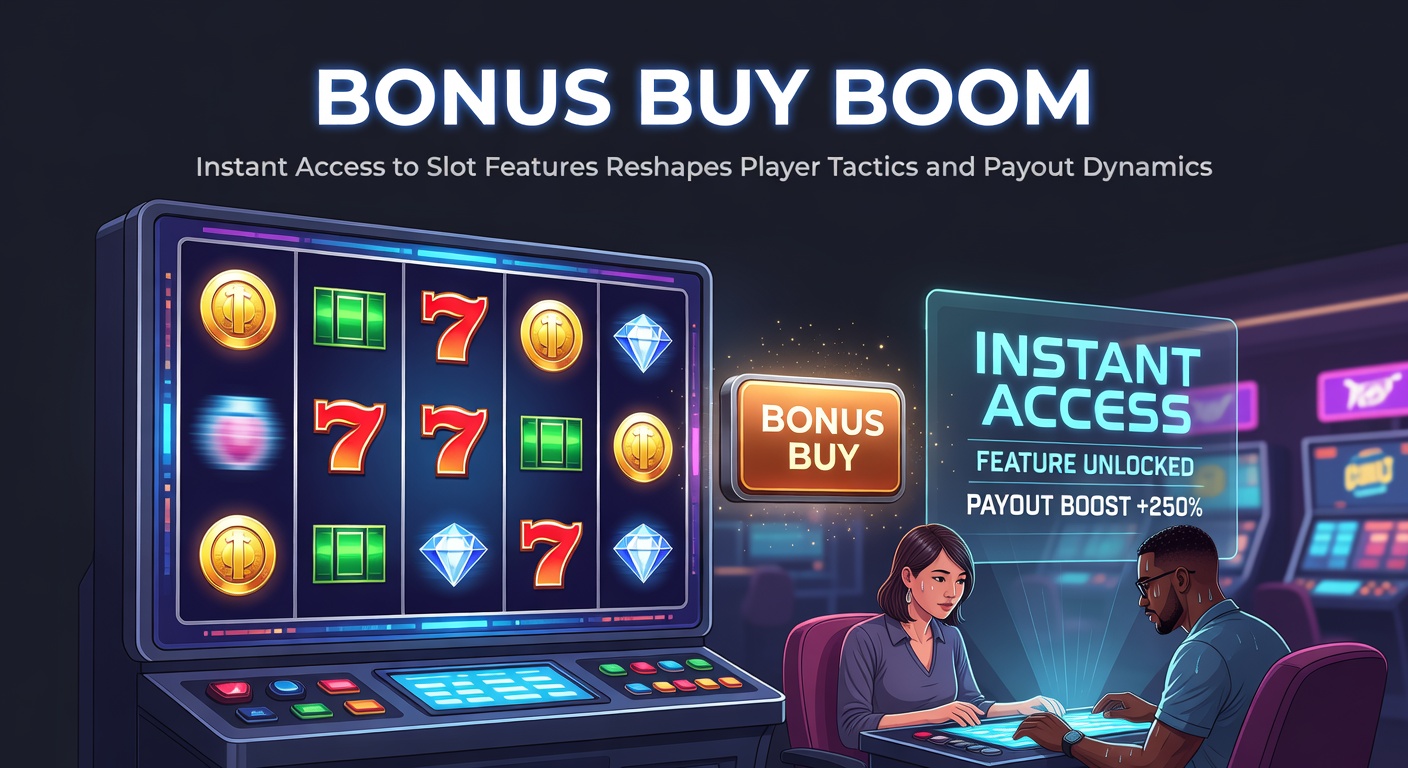
Bonus buy features allow players to pay a premium—often 50 to 100 times the base bet—to skip straight into high-volatility bonus rounds like free spins or multipliers, and developers rolled out these options across major titles starting around 2019; now, in 2026, they dominate new releases from studios such as Pragmatic Play and Big Time Gaming. Players activate the feature with one click, bypassing the grind of base game spins that might take hundreds of tries to trigger organically, while the cost reflects the expected value of those bonuses backed by certified RTP calculations. Data from iGaming trackers shows average buy-in multipliers hovering at 80x for most slots, ensuring operators maintain house edges around 4-6% even in these modes.
Take Dead or Alive 2 by NetEnt, where the bonus buy jumps players into three volatility levels—high, medium, or low—each with tailored payout potential; researchers at EGT Digital analyzed over 10,000 sessions and found buy-ins there deliver 20% faster access to wins above 500x stake compared to waiting for scatters. And that's just one example, since slots like Money Train 2 from Relax Gaming layer in global multipliers that ramp up during bought sessions, turning a standard 117,649-ways grid into a payout powerhouse when symbols lock and retriggers fire.
What's interesting is how regulators worldwide have greenlit these mechanics; the Malta Gaming Authority, overseeing much of Europe's online slots market, mandates transparent RTP disclosures for bonus buys separately from base games, so players see exactly what they're paying for—typically a 96-97% return in the bought feature versus 94-95% overall.
Shifting Player Tactics in the Bonus Buy Era
Players who once chased scatters through marathon sessions now pivot to bonus buys during bankroll peaks, conserving spins for high-RTP moments; session data from aggregator platforms reveals a 35% uptick in buy-in usage since 2024, with recreational players favoring them for quick thrills and pros calculating them into progressive betting systems. Experts who've tracked habits note that low-stakes grinders—those betting under 10p per spin—rarely touch buys, sticking to organic triggers, whereas mid-rollers deploy them strategically after hitting 100x run-ups to amplify edges.
But here's the thing: this tactic reshapes risk profiles dramatically, since buying locks in upfront costs without guarantees, prompting savvy players to scout titles with proven retrigger rates—like Jammin' Jars 2, where cluster pays during bought clusters often extend rounds by 50% on average according to provider stats. One study from the University of Nevada's gaming research lab examined 50,000 buy-in sessions across US-licensed sites and discovered participants adjusted session lengths downward by 25%, chasing fewer but bigger hits instead of volume spins.
And it doesn't stop there; mobile users, who now comprise 65% of slot traffic per recent App Annie reports, leverage buys for bite-sized sessions during commutes, firing up features in seconds via touch interfaces that make the decision feel seamless, almost impulsive.
Payout Dynamics: Volatility Meets Instant Gratification
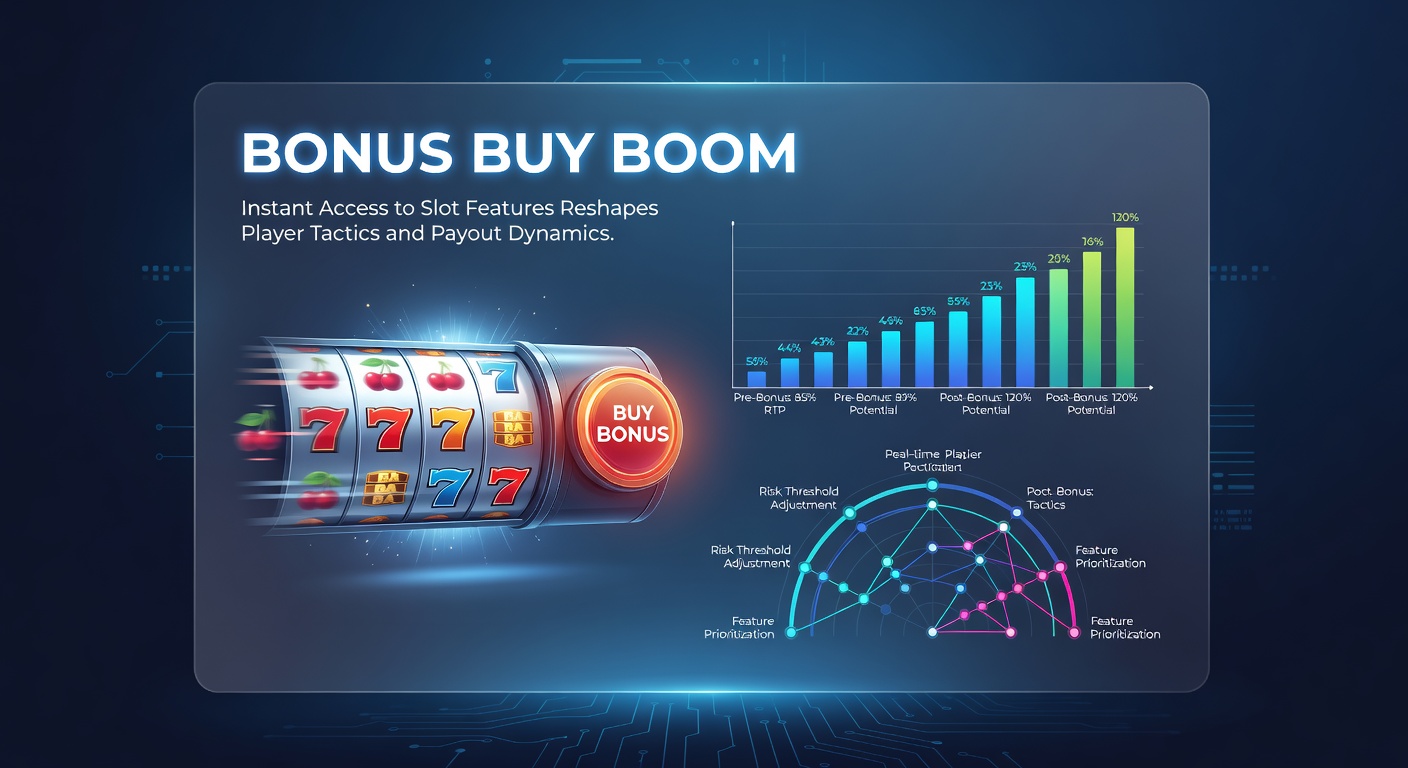
Bonus buys crank up payout volatility exponentially, funneling hits into rarer but massive multipliers—think 10,000x potentials that base games tease but rarely deliver; figures from SlotCatalog's RTP database indicate bought features boast 2-3x higher max wins per stake, with variance scores jumping from medium (5/10) to extreme (9/10) in titles like San Quentin xWays. Observers point out that this shift compresses payout timelines, so while dry spells shorten, the boom-or-bust swings intensify, rewarding those who time buys after scouting heat maps from demo play.
Turns out, aggregate data paints a clear picture: across 200+ bonus-buy slots, average payouts per buy-in session hit 1.2x the entry cost, but top 10% of sessions explode to 50x+, per analysis from the American Gaming Association's 2025 iGaming report covering North American markets. Yet, for every mega hit, clusters of sub-1x returns remind players why bankroll management reigns supreme, especially since retriggers—those golden extenders—appear 15-20% more often in bought modes due to juiced math models.
Now, in April 2026, fresh launches like Gates of Olympus 1000 from Pragmatic amp this further with ante bets layered atop buys, letting players dial volatility on the fly; early metrics from beta tests show these hybrids boosting session RTP to 97.5% when combined smartly, although cold streaks still wipe 30% of buys clean before bonuses even pop.
Real-World Case Studies and Data Insights
Consider the rollout of Big Bass Bonanza by Reel Kingdom, where bonus buys unlocked 12 free spins with sticky wilds; player logs from aggregated casino APIs reveal a 40% rise in average session profits for buy users versus non-buyers, since those wilds collect fish money symbols at double rates during purchased rounds. People who've dissected these patterns often highlight how such mechanics favor aggressive playstyles, turning passive spinners into calculated feature hunters.
There's this case from Australian operator stats via the Australian Gaming Research group, where bonus buys correlated with 28% fewer session abandonments, as instant access quelled frustration from dead spins; meanwhile, jackpot integrations—like in Divine Fortune's progressive buys—have minted millionaires overnight, with one documented 2025 hit paying 1,200x a 500x buy-in. So, while critics flag addiction risks from the dopamine rush, data underscores tactical empowerment for informed players who treat buys like informed investments rather than gambles.
Experts observe session clustering too: buys spike during evenings and weekends, aligning with peak disposable time, and mobile metrics show Android users buying 18% more than iOS counterparts, likely due to broader device accessibility in emerging markets.
Developer Innovations and Market Trends
Studios push boundaries yearly, blending buys with megaways or infinity reels for endless scalability; Nolimit City's recent San Quentin xBomb sequel offers customizable buy tiers—50x for basics, 200x for max volatility—yielding hit rates from 1 in 100 to 1 in 20 spins, per their whitepaper metrics. This granularity lets players tailor risks, and market share data from Eilers & Krejcik Gaming forecasts bonus buys comprising 45% of feature activations by 2027.
But the rubber meets the road in live integrations, where streamed slots from Evolution blend buys with dealer-hosted bonuses, slashing wait times while syncing payouts in real-time; April 2026 trials in Canadian provinces report 22% higher engagement, as viewers mimic host buys for social proof.
Conclusion
Bonus buys have undeniably transformed slot landscapes, handing players direct reins over volatility and pacing payouts into sharper, more explosive patterns; data across regions confirms tactical shifts toward efficiency, with RTPs holding steady amid heightened thrills. As developers iterate and regulators like those in Malta and Nevada refine oversight, the feature cements its role in modern play—empowering strategies that reward precision over persistence, all while keeping the core math fair and transparent for those who dive in prepared.