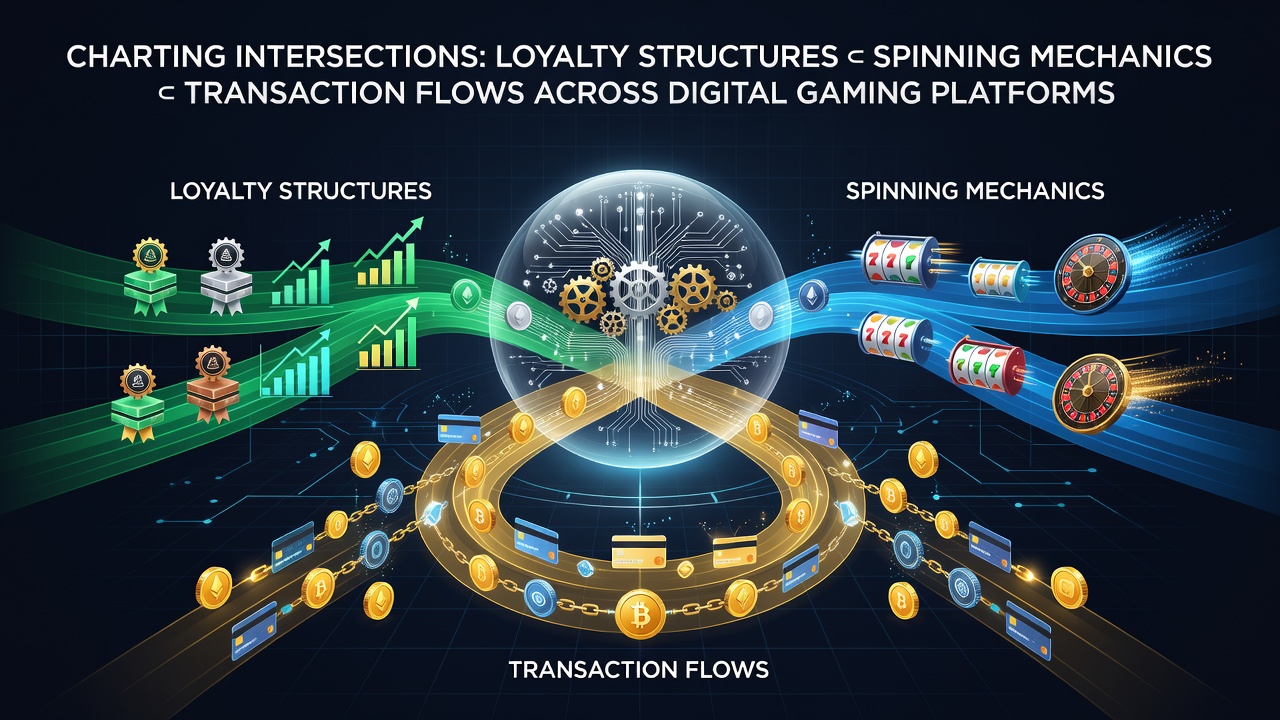
Charting Intersections Where Loyalty Structures Converge with Spinning Mechanics and Transaction Flows Across Digital Gaming Platforms
Digital gaming platforms integrate loyalty programs with slot mechanics and payment systems in ways that shape player engagement across multiple regions, and observers note these connections have grown more pronounced by August 2026. Data from industry reports shows operators now design reward tiers that activate during specific reel sequences while transaction ledgers track the movement of funds that unlock those rewards.
Loyalty Frameworks in Platform Ecosystems
Operators structure loyalty programs around point accumulation that ties directly to spin volume and bet sizing, whereas tier progression often depends on consistent deposit activity recorded in real time. Research indicates many platforms calculate loyalty points using formulas that factor both the number of spins completed and the total value processed through payment gateways, creating a unified metric that rewards sustained participation. Those who have examined system architectures find that higher tiers unlock multipliers applied automatically to winning combinations generated by spinning mechanics, and these multipliers appear in player dashboards alongside transaction histories.
Spinning Mechanics and Reward Triggers
Modern slot engines incorporate features such as cascading symbols and expanding wilds that align with loyalty thresholds, so when a player reaches a new tier the game adjusts payout tables for subsequent spins. Studies from academic gaming centers reveal that platforms embed loyalty status checks into the random number generator cycle, allowing the system to award extra free spins or boosted jackpots only after verifying recent transaction flows. This integration means a single spin sequence can simultaneously advance loyalty points, trigger bonus rounds, and register a withdrawal request if winnings exceed platform limits.
Transaction Flows Supporting Integrated Systems
Payment processors handle deposits and withdrawals that feed directly into loyalty and spinning modules, and figures from the American Gaming Association indicate average transaction times have shortened as operators link banking rails to real-time reward engines. When funds clear a deposit, the platform credits loyalty points instantly and adjusts the next spin outcome display to reflect any active tier bonuses. Observers tracking platform updates note that withdrawal requests now pause spinning sessions until verification completes, ensuring loyalty balances remain accurate before any new reel activity begins.
Platforms operating in North America and parts of Asia demonstrate varied approaches, whereas European operators often emphasize different compliance layers around the same convergence points. One case examined by researchers at the University of Nevada showed how a single loyalty tier upgrade triggered both an immediate free spin allocation and an automatic deposit bonus funded from prior transaction data.

Cross-Platform Data Synchronization
Backend databases synchronize loyalty status with spinning logs and transaction records, allowing operators to generate unified player profiles that update across mobile and desktop environments. Evidence from industry audits shows these synchronized systems reduce discrepancies that once occurred when players switched devices mid-session. As a result, a loyalty multiplier earned on one platform carries over to spinning mechanics on another while transaction histories remain continuous.
Regulatory frameworks in multiple jurisdictions require transparent logging of how loyalty rewards connect to both spins and payments, and reports compiled by the Australian Communications and Media Authority highlight the need for clear audit trails in these areas. Platforms respond by embedding timestamped entries that record when a loyalty tier change coincides with a deposit or a particular reel outcome.
Technical Implementation Patterns
Developers use API endpoints that let loyalty engines query spinning results and payment confirmations in a single call, reducing latency during active play. Data indicates this architecture supports features where accumulated points automatically convert into additional spins or influence the probability weighting of jackpot triggers. Those monitoring platform performance note that transaction speed directly affects how quickly loyalty benefits appear in the spinning interface, creating a feedback loop visible to players.
Conclusion
The intersections between loyalty structures, spinning mechanics, and transaction flows continue to define operational priorities on digital gaming platforms through August 2026 and beyond. Reports from organizations such as the European Gaming and Betting Association document ongoing refinements in how these elements connect, while platform operators maintain records that link each component for compliance and performance tracking. Future developments will likely focus on tighter synchronization across these three domains as technology and regulatory expectations evolve in parallel.