
Decoding Payment Routes and Layered Rewards Across Mobile Reel Platforms
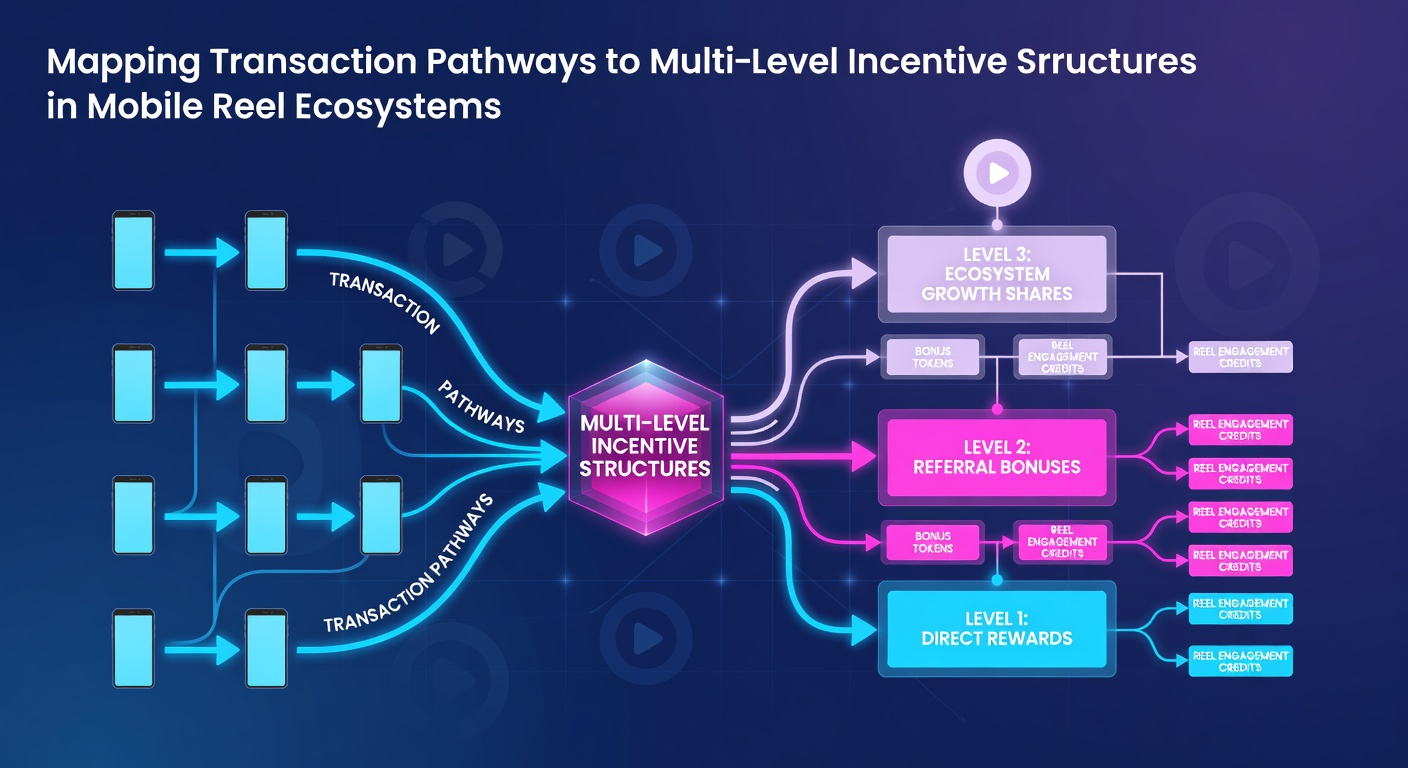
Transaction pathways in mobile reel ecosystems involve systematic tracking of deposits, withdrawals, and in-game purchases that feed directly into progressive reward layers. Data from industry platforms active in May 2026 shows these pathways operate through integrated payment processors that record every transfer with timestamps, amounts, and user identifiers before routing information to backend incentive engines. Researchers note that such mapping allows operators to align real-time spending patterns with escalating benefit tiers without manual intervention.
Core Components of Transaction Mapping
Payment gateways capture initial deposit details then forward encrypted records to centralized ledgers where algorithms classify each transaction by value, frequency, and game type. Observers point out that this classification triggers automatic assignment to appropriate incentive brackets, ranging from base-level free spin credits up to advanced jackpot multipliers reserved for higher cumulative spend. Studies conducted on cross-platform reel titles reveal that these automated steps reduce processing delays to under three seconds in most cases while maintaining compliance with regional data standards.
Layering Incentive Structures
Multi-level incentive designs stack benefits so that each new threshold unlocks additional features such as personalized bonus percentages, accelerated loyalty points, and exclusive reel modifiers. Figures released in mid-2026 indicate that platforms employing detailed pathway mapping achieve retention rates 18 percent higher than those using flat reward models. Analysts tracking user behavior across North American and European markets confirm that seamless linkage between transaction history and tier progression encourages sustained engagement without requiring players to navigate separate menus.
One documented example involves a reel title that monitors deposit velocity over rolling 30-day windows. When velocity exceeds preset benchmarks, the system elevates the account to the next incentive band and simultaneously activates cross-game reward sharing. This approach, detailed in technical white papers from gaming technology providers, illustrates how pathway data serves as the foundation for dynamic structure adjustments.
Regional Regulatory Influences on Mapping Practices
Authorities in various jurisdictions have introduced guidelines that shape how transaction data must be stored and utilized for incentive calculations. A report from the Pennsylvania Gaming Control Board outlines requirements for audit trails that verify every mapped pathway meets transparency standards. Similar frameworks in Australian markets emphasize consumer protection measures that limit how aggressively incentive layers can scale based on transaction volume.
Meanwhile, research published by the University of Nevada, Reno's gaming analytics division demonstrates that precise pathway documentation correlates with fewer disputes over unreceived rewards. The study examined over 2.4 million mobile reel sessions and found that transparent mapping reduced support tickets related to bonus eligibility by nearly 40 percent.
Technical Integration Challenges
Developers face ongoing demands to synchronize legacy payment systems with modern incentive engines while preserving low latency on mobile networks. Solutions often incorporate API bridges that translate raw transaction streams into structured data points compatible with tier-progression logic. Evidence gathered from platform updates rolled out during May 2026 shows that operators adopting these bridges experienced measurable gains in reward delivery accuracy across both iOS and Android environments.
Security protocols add another layer of complexity because every mapped record must undergo encryption and anomaly detection before it influences incentive calculations. Industry groups such as the Canadian Gaming Association have published best-practice documents that recommend multi-factor verification steps integrated directly into the pathway architecture.
Future Directions Observed in 2026
Emerging patterns indicate continued refinement of pathway granularity, allowing incentive structures to respond to micro-transactions as well as larger deposits. Pilot programs tested in several jurisdictions during spring 2026 incorporated predictive modeling that anticipates tier upgrades before the transaction completes. Those programs, evaluated by independent research teams, reported improved player satisfaction metrics alongside stable revenue streams.
Conclusion
Mapping transaction pathways to multi-level incentive structures continues to define operational efficiency in mobile reel ecosystems. Regulatory updates, academic findings, and platform innovations together shape how these systems evolve, ensuring that payment flows translate reliably into layered rewards while meeting regional compliance expectations. Data trends observed through May 2026 suggest teh practice will expand further as new payment methods and reel formats enter the market.