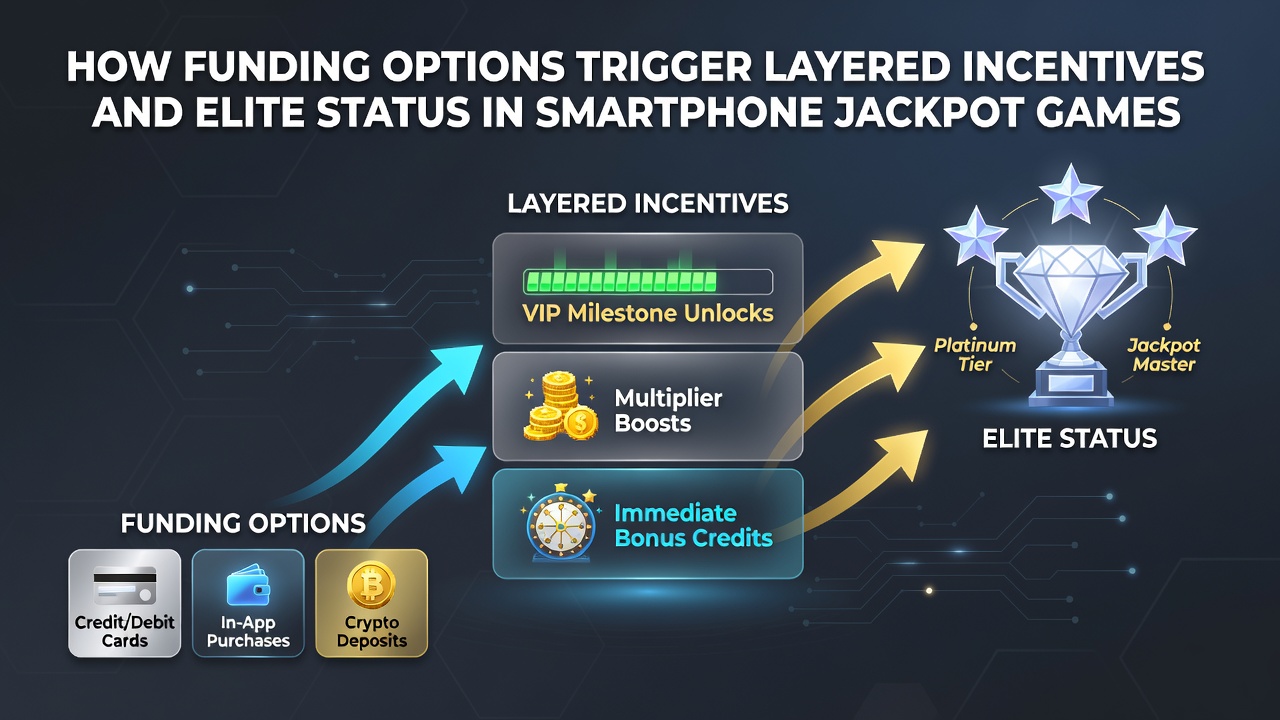
Deposit Pathways Fuel Multi-Tiered Bonuses and VIP Advancement in Mobile Jackpot Slots
Smartphone jackpot games operate through funding mechanisms that directly shape access to layered incentives, where players select payment methods such as e-wallets, bank transfers, or prepaid cards, and these choices often activate distinct bonus structures while advancing users toward higher VIP tiers based on deposit volume and frequency.
Industry data shows that instant funding options like digital wallets frequently trigger immediate free spin allocations or multiplier boosts because platforms process these transactions without delays, whereas traditional bank transfers may unlock progressive reward ladders that accumulate over multiple sessions, and this distinction arises because operators design incentive systems around transaction speed and cost efficiency.
Mechanics of Funding Options in Mobile Platforms
Payment selection begins the process when users fund accounts through various channels, and each method carries associated processing times that determine eligibility for specific promotions, while e-wallet deposits often qualify for same-day bonus credits because they bypass intermediary verification steps that slower options require.
Observers note that prepaid card funding tends to pair with entry-level incentive packages that include basic spin bundles, yet repeated use of these methods builds cumulative spend metrics that feed into automated status tracking systems, and this creates pathways where consistent activity elevates accounts without requiring separate applications.
Data from regulatory bodies in regions like New Jersey indicates that mobile platforms track funding frequency alongside total amounts, which then feeds algorithms assigning tier points that unlock escalating benefits such as cashback percentages or exclusive event invitations.
Layered Incentives Triggered by Payment Choices
Once funding occurs, platforms apply rules that stack rewards in sequences where initial deposits activate base bonuses, subsequent choices add multiplier effects, and combined patterns generate free spin chains that feed into jackpot eligibility pools, and these layers operate because operators calibrate systems to reward transaction diversity while maintaining revenue balance.
Figures reveal that users who alternate between instant and scheduled funding methods encounter broader incentive menus because the variation signals engagement patterns that algorithms prioritize for additional perks, while single-method reliance limits access to only certain bonus categories even when total spend remains comparable.
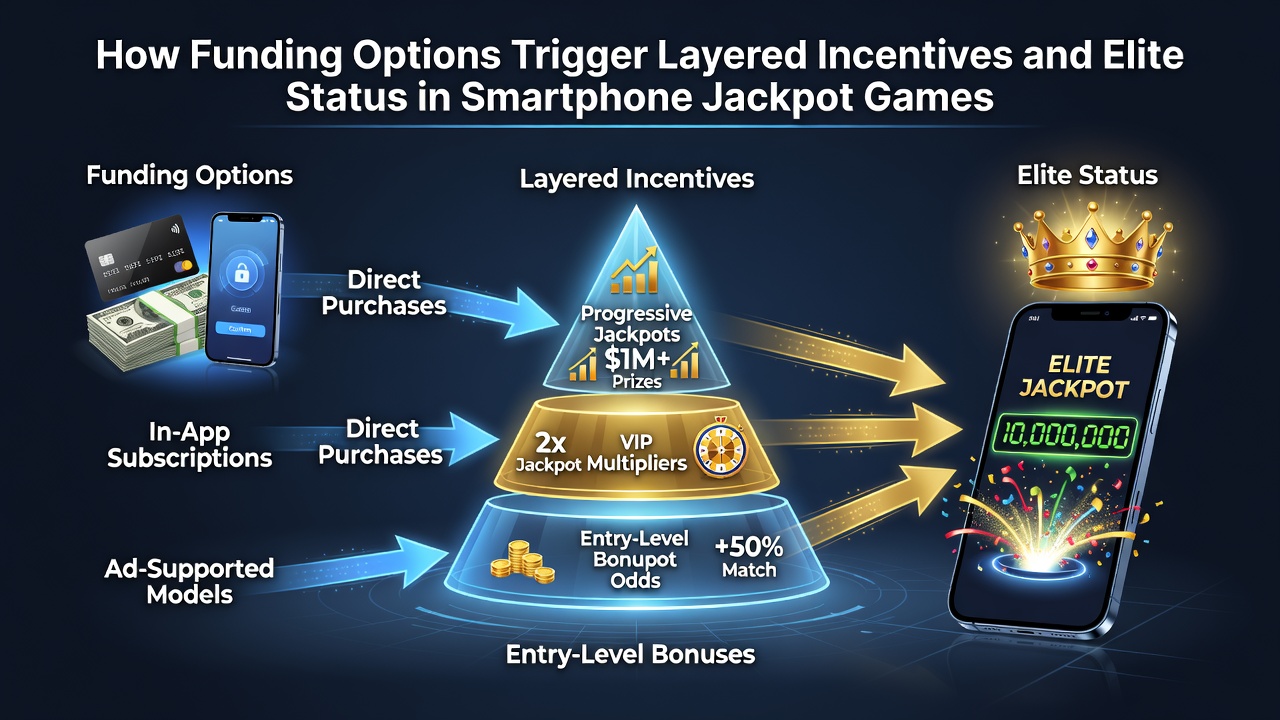
Researchers at institutions including the University of Nevada have documented how these incentive stacks function through conditional triggers, where a second deposit via a different channel within a set timeframe activates cross-promotions that single-payment sequences cannot access, and this design encourages exploration of multiple funding routes without mandating higher overall expenditure.
Pathways to Elite Status Through Funding Patterns
VIP advancement relies on metrics derived from funding activity, where total deposited amounts combine with method variety to calculate tier progression points, and higher tiers grant access to personalized jackpot pools alongside accelerated withdrawal options that lower tiers lack, while the system updates in real time as new transactions register.
Analyses from organizations such as the American Gaming Association demonstrate that elite status often emerges after sustained funding across at least three distinct methods because this diversity correlates with longer session durations and higher retention rates, yet the precise thresholds vary by platform and remain subject to periodic adjustments based on operational data.
In August 2026 reports highlighted how mobile jackpot ecosystems refined these status systems to incorporate funding velocity as a secondary metric, allowing rapid successive deposits via preferred channels to accelerate tier climbs even when total volume stays moderate, and this adjustment reflects broader industry shifts toward rewarding active participation patterns over sheer monetary input.
Integration of Incentives With Jackpot Features
Layered rewards connect directly to jackpot mechanics when bonus spins or multipliers derived from specific funding options feed into progressive pools, and players who reach elite tiers through consistent payment variety gain entry to private jackpot rounds that operate separately from standard game cycles, while the underlying algorithms ensure that incentive triggers align with jackpot contribution rates to sustain system equilibrium.
Evidence from Canadian regulatory frameworks administered by iGaming Ontario shows that funding-linked incentives maintain compliance standards across jurisdictions because operators must document how payment choices influence reward distribution, and this transparency requirement prevents disproportionate advantage allocation while still permitting tiered structures that differentiate user experiences.
Conclusion
Funding options in smartphone jackpot games establish structured pathways that activate successive incentive layers and determine eligibility for elevated status levels through measurable transaction patterns, and these systems continue evolving as platforms refine algorithms to balance player retention with regulatory expectations across multiple regions. The connections between payment method selection, bonus stacking, and VIP progression remain central to how mobile jackpot environments allocate rewards while operating within documented industry frameworks.