
Layered Incentive Structures Connecting Live Dealer Sessions with Mobile Reel Systems
Platforms in the online gaming sector have developed systems that link real-time dealer interactions with portable reel mechanics through structured incentive layers, and data from industry reports shows these integrations affect player retention metrics across multiple markets. Observers note that such programs often combine live table bonuses with mobile slot multipliers, creating pathways where activity in one format triggers rewards in the other.
Core Mechanics of Integration
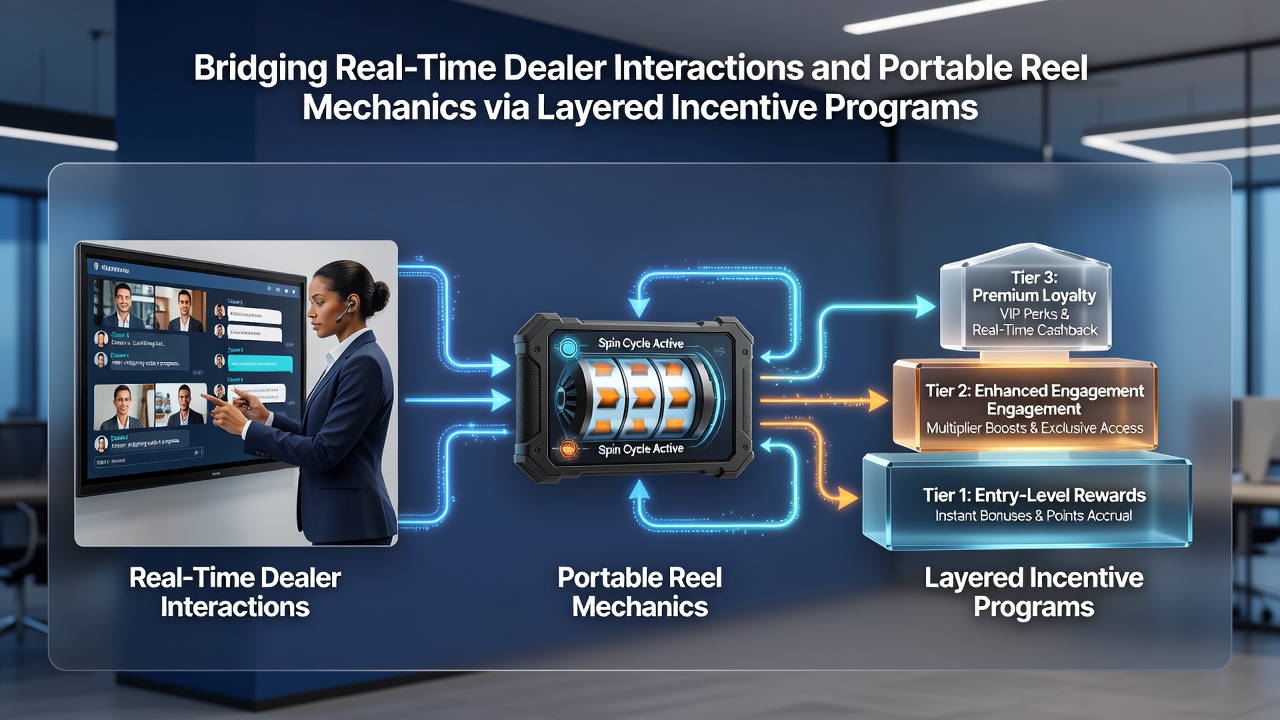
Real-time dealer environments feature video streams and interactive elements that allow participants to place wagers on table games, while portable reel mechanics center on spinning digital reels with variable paylines and bonus triggers. Layered incentive programs merge these by assigning points or credits that transfer between formats, according to figures from the American Gaming Association. In August 2026 reports highlighted continued adoption of these models in regulated jurisdictions outside the UK, with operators reporting synchronized reward systems that adjust based on session duration and wager volume.
Those who have analyzed platform data find that players completing a live dealer round may receive a multiplier applicable to subsequent mobile reel spins, and the reverse holds true when reel sessions unlock live table entry credits. This bidirectional flow relies on centralized account tracking that updates in real time, reducing the separation between the two game types.
Implementation Across Platforms
Operators apply tiered structures where entry-level participants gain basic cross-format bonuses, whereas higher tiers unlock enhanced features such as exclusive live dealer tables paired with reel jackpot contributions. Research indicates these progressions encourage sustained engagement, as evidenced by metrics shared in gaming association publications. One example involves a system where live blackjack outcomes contribute to a mobile reel progressive pool, with payout eligibility tied to the player's cumulative tier status.
External data from sources like the Nevada Gaming Control Board shows similar patterns in U.S. markets, where cross-mechanic rewards appear in monthly compliance filings. Platforms adjust these layers seasonally, incorporating August 2026 updates that aligned bonus thresholds with peak mobile usage periods observed in prior quarters.
Data Patterns and Player Behavior
Studies from industry research groups reveal that participants using integrated incentives demonstrate higher average session lengths compared to those limited to single formats, though exact percentages vary by region. Figures released by the Canadian Gaming Association indicate measurable increases in cross-platform activity when rewards include instant credit transfers between live and mobile environments. These transfers often occur through APIs that maintain consistency across devices, ensuring seamless transitions.
What's notable is how incentive layers address different player preferences, with some users favoring dealer interactions for social elements while others prioritize reel mechanics for rapid outcomes. Platforms respond by calibrating reward triggers to balance participation across both, drawing on aggregated usage statistics that track format switches within single accounts.
Regulatory Context and Technical Considerations
Regulatory bodies in multiple regions require transparency in how layered programs calculate and distribute rewards, and this includes clear disclosure of conversion rates between live dealer points and mobile reel credits. Technical standards emphasize secure data handling to prevent discrepancies during transfers, with audits verifying that incentive layers do not alter underlying game probabilities. In August 2026, updates from various oversight entities reinforced these standards without introducing new restrictions on cross-format linkages.
One study revealed that systems employing such integrations maintain compliance by separating promotional mechanics from core random number generation processes, preserving fairness across all game types involved.
Conclusion
Layered incentive programs continue to serve as the primary mechanism for connecting real-time dealer interactions with portable reel mechanics, supported by data from regulatory and industry sources that document their operational frameworks. These structures rely on technical integration and tiered reward systems to facilitate activity across formats, with ongoing adjustments reflecting usage patterns reported through established channels.