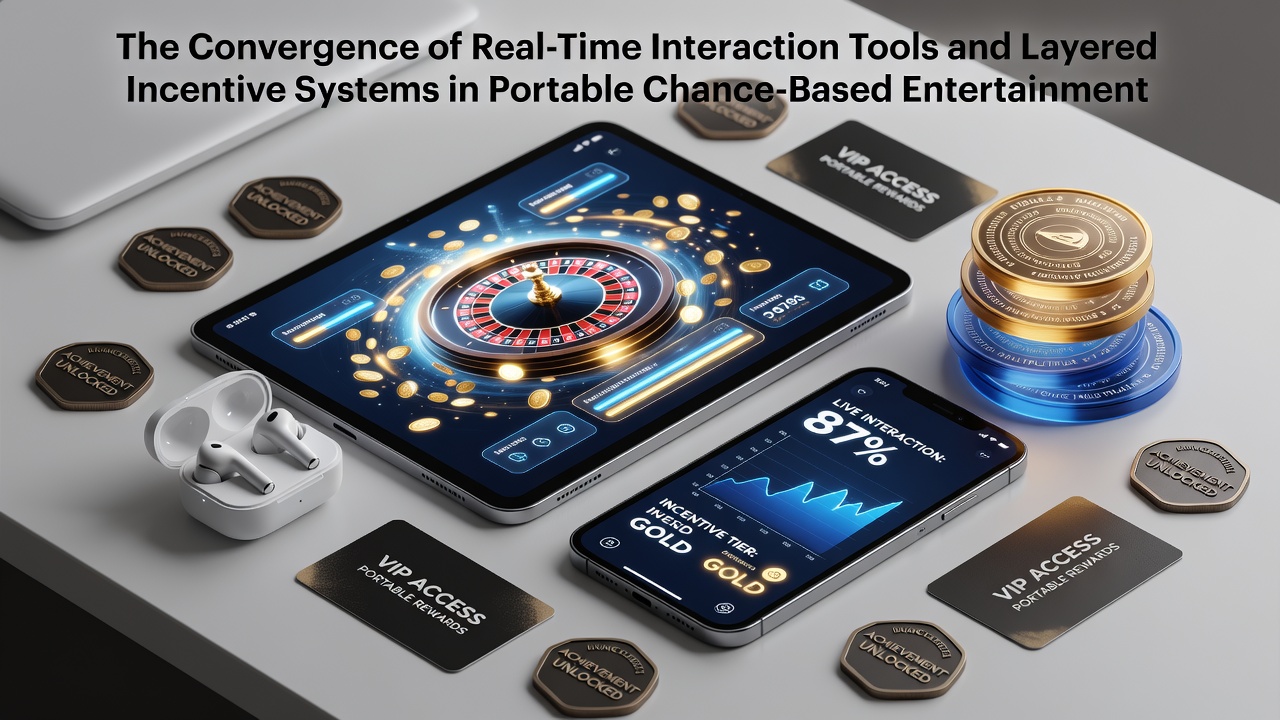
Layered Rewards and Live Features Reshaping Mobile Chance Gaming Worldwide
Portable chance-based entertainment has evolved through the integration of real-time interaction tools alongside multi-tiered incentive frameworks, creating dynamic experiences that respond instantly to user actions. Developers combine live chat functions, synchronized leaderboards, and streaming elements with progressive reward structures that adjust based on play patterns and session length. This combination operates across mobile platforms where users access games through dedicated applications that track activity in real time while distributing incentives through layered systems such as entry-level bonuses, mid-tier multipliers, and elite-level access to exclusive events.
Real-Time Interaction Tools in Action
Real-time tools enable direct connections between participants and game mechanics that update without delay, including live dealer sessions streamed to handheld devices and interactive elements where players influence outcomes collectively through shared decisions. These features rely on low-latency networks that transmit data between servers and mobile endpoints, allowing notifications about ongoing jackpots or community challenges to appear within seconds. Observers note that such immediacy supports sustained engagement because users receive feedback loops that adjust visual displays and audio cues based on collective participation rates rather than isolated spins.
Data from industry monitoring in early 2026 shows increased deployment of these tools in regions outside traditional markets, with platforms incorporating voice overlays and gesture-based commands that sync with ongoing rounds. The systems log every interaction timestamp to refine future presentations, which in turn feeds into incentive calculations that reward consistent real-time involvement.
Layered Incentive Structures and Their Mechanics
Layered incentive systems build upon base participation rewards by adding sequential tiers that unlock additional benefits after meeting cumulative thresholds, such as total wagers completed or consecutive days of activity. Each layer incorporates multipliers that scale with user progression while real-time adjustments alter available options based on current session metrics. For instance, a player reaching a mid-tier status might see bonus spins activate automatically during live events, with the system calculating eligibility through continuous data streams rather than periodic batch processing.
Research conducted by the University of Nevada's gaming analytics group indicates that these structures maintain records of user paths across multiple sessions, enabling personalized adjustments that align reward delivery with observed behaviors. The approach avoids static schedules by instead using algorithms that respond to live inputs, which helps distribute incentives proportionally across different activity levels.
Convergence Patterns Observed in June 2026
By June 2026, several platforms demonstrated tighter integration where real-time tools directly trigger incentive escalations, such as a live chat milestone unlocking a higher reward tier without requiring separate claims. This convergence appears in applications that overlay streaming visuals with dynamic progress bars showing both social interactions and accumulated points. External reports from the American Gaming Association highlight similar patterns in North American markets where regulatory frameworks permit such combined features, noting that synchronization between live elements and reward ladders reduces latency between action and payout confirmation.
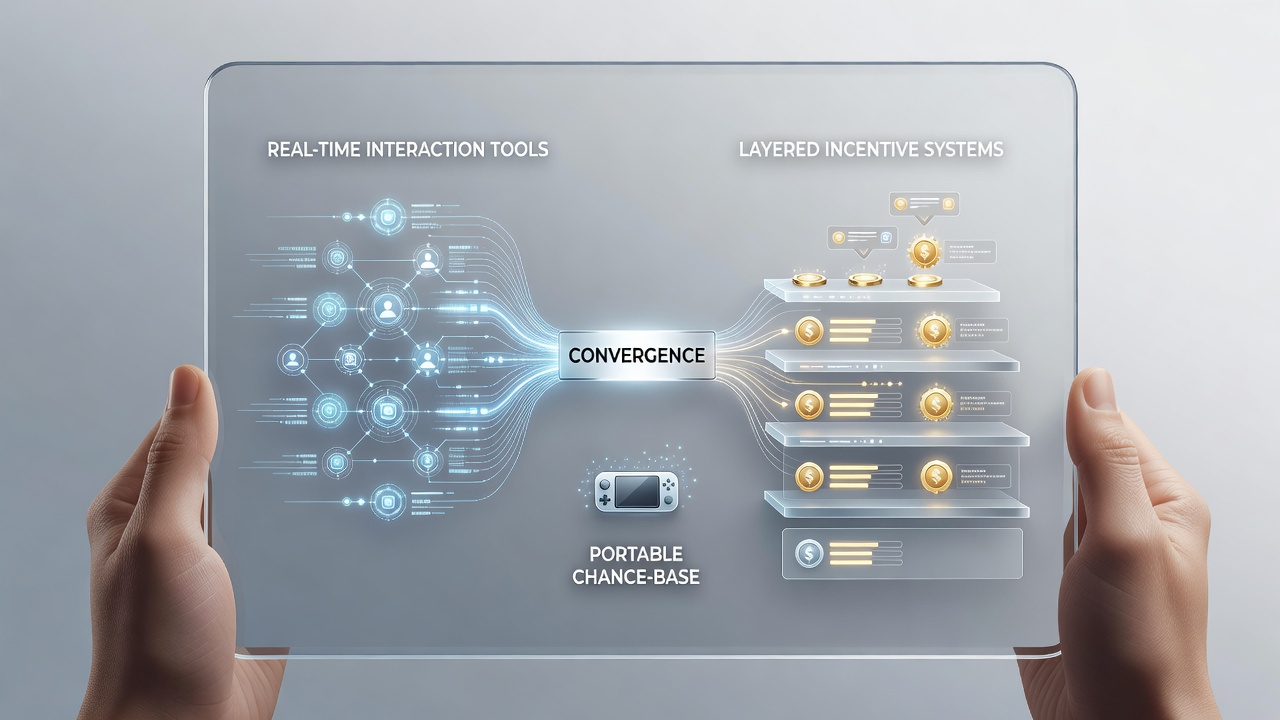
What's notable here involves the way portable hardware supports these merged functions through optimized processing that handles simultaneous data flows from multiple sources. Developers have implemented protocols that prioritize certain live events for immediate reward application, ensuring that community-driven challenges feed directly into individual tier advancements. Australian regulatory summaries from the same period describe comparable developments in their jurisdiction, where testing protocols verify that real-time and layered components operate without conflicts in mobile environments.
Technical Foundations Supporting Integration
Cloud-based architectures handle the volume of simultaneous connections required for real-time features while maintaining accurate tracking for incentive layers, using distributed databases that update across geographic regions with minimal lag. Mobile operating systems contribute through background processes that maintain session continuity even during network transitions, allowing incentive progress to persist across device states. Engineers have documented cases where API connections between game servers and reward management modules enable instant validation of live achievements against tier requirements.
Studies from European gaming research consortia reveal that these technical setups reduce processing overhead by batching non-critical updates while prioritizing live interaction data, which supports smoother convergence without compromising accuracy in reward assignments. The result appears in applications that display unified interfaces combining live participant counts with personalized incentive meters that refresh continuously.
Global Examples of Implementation
Platforms operating in Canadian provinces have adopted models where real-time tournament modes feed into layered loyalty programs that adjust benefits based on performance rankings updated every few seconds. Similar approaches surface in Asian markets where mobile applications merge social streaming with progressive reward systems that escalate during peak concurrent user periods. These examples demonstrate scalability across different regulatory environments, with each adapting the core convergence to local infrastructure capabilities.
Figures released through international trade associations indicate steady growth in user retention metrics tied to platforms employing both tool types together, as the combined features create multiple engagement pathways that respond to varied preferences for social versus individual play styles.
Conclusion
The ongoing development of real-time interaction tools alongside layered incentive systems continues to define portable chance-based entertainment through measurable technical and operational alignments. Data collected through June 2026 underscores consistent patterns of integration that prioritize responsive design and accurate reward distribution across mobile ecosystems. This convergence relies on established network standards and algorithmic tracking that together support expanded functionality without introducing structural conflicts in existing platforms.