
Reward Systems Converge with Real-Time Dealer Play in Mobile and Dealer-Led Casino Settings
Live dealer sessions operate through video streams that connect players to real croupiers in studio environments, and these formats now link directly to accumulated reward systems that track play across sessions. Portable devices allow participants to join blackjack, roulette, and baccarat tables while earning loyalty points that carry over between mobile and desktop access, whereas dealer-led setups in physical or hybrid venues maintain separate tracking layers that integrate with the same backend databases.
Data from industry reports released in July 2026 indicate that mobile live dealer traffic increased by 28 percent year-over-year, with reward multipliers applied to bets placed during peak hours. These multipliers feed into tiered loyalty programs that unlock cashback, tournament entries, and exclusive table access once players reach defined point thresholds. Observers note that the technical bridge between real-time dealer feeds and point ledgers relies on API connections that update balances within seconds of each resolved hand or spin.
Technical Integration Between Dealer Streams and Loyalty Databases
Real-time dealer platforms transmit gameplay data through encrypted channels that feed directly into central servers managing reward accounts, and this architecture supports both portable apps and fixed dealer terminals. When a player places a wager on a mobile device, the system records the stake, outcome, and time stamp before allocating points according to predefined formulas that vary by game type and session length. Dealer-led environments in licensed facilities use similar protocols, yet they often incorporate on-site kiosks that allow participants to redeem accumulated rewards without leaving the table area.
Studies conducted by the University of Nevada's gaming research division show that synchronized tracking reduces discrepancies between mobile and venue-based point totals to under 0.3 percent, a figure achieved through timestamp reconciliation every thirty seconds. This precision matters because many programs award bonus multipliers only when players maintain continuous activity across formats, such as switching from a mobile roulette session to a land-based poker table within the same loyalty cycle.
Cross-Format Reward Accumulation Patterns
Players who alternate between portable and dealer-led sessions accumulate points at different rates depending on device type and game selection, with mobile blackjack frequently offering higher base rates than equivalent studio tables. Accumulated rewards then convert into benefits such as reduced rake in poker rooms or complimentary live dealer tournament seats, and these conversions occur automatically once monthly or quarterly thresholds are met. Research indicates that programs allowing seamless point transfer across formats retain participants 19 percent longer than those requiring separate accounts for each platform.
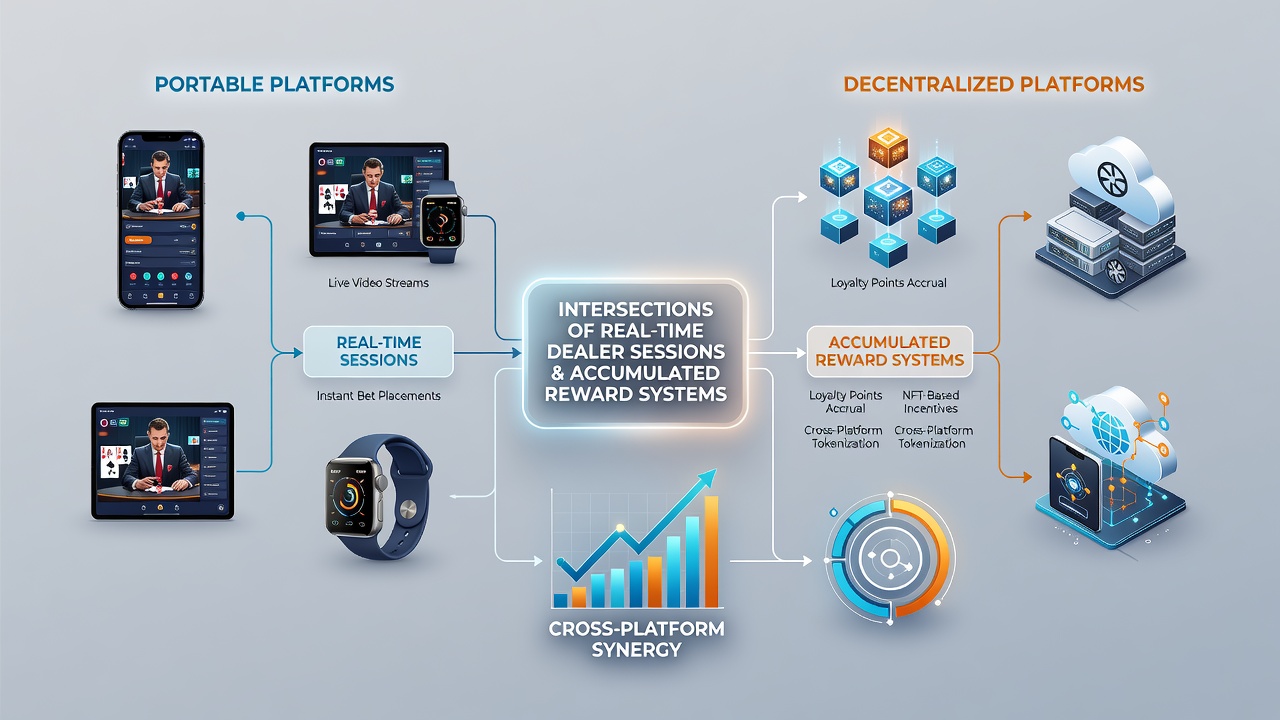
One documented case involved a loyalty program operated across European and North American jurisdictions where mobile sessions contributed 65 percent of total points while dealer-led sessions accounted for the remaining 35 percent, yet both streams unlocked identical redemption options. The structure relies on a unified player profile that updates regardless of access method, and this design prevents fragmentation that previously forced users to manage multiple balances.
Regulatory and Operational Considerations in July 2026
Regulatory updates published in July 2026 by the New Jersey Division of Gaming Enforcement required clearer disclosure of how live dealer wagers translate into reward points, including minimum bet thresholds that qualify for accumulation. These rules apply equally to portable applications and hybrid dealer-led offerings, and operators responded by publishing updated point-earning matrices on their platforms. Compliance teams now audit the API handshakes between dealer software and loyalty engines to confirm that every qualifying action registers correctly before points post to player accounts.
Industry associations such as the European Gaming and Betting Association have issued guidance documents that outline best practices for linking real-time sessions with accumulated rewards, and these recommendations emphasize audit trails that record every point allocation event. Data from these audits reveal that mobile sessions generate higher volumes of micro-transactions, each contributing fractional points that sum to meaningful totals over extended play periods.
Future Developments in Unified Reward Tracking
Developments scheduled for late 2026 include expanded use of geolocation verification to ensure mobile sessions qualify for the same reward rates as dealer-led play when participants remain within approved jurisdictions. This verification layer connects with existing loyalty systems so that point multipliers activate only after location checks complete, reducing regulatory risk while preserving player access across formats. Analysts tracking these changes report that operators testing unified systems have observed consistent point accrual rates regardless of whether users join from portable devices or dedicated dealer terminals.
Conclusion
The convergence of real-time dealer sessions and accumulated reward systems continues to evolve through standardized data protocols that function across portable and dealer-led environments. Technical integrations maintain point accuracy, regulatory frameworks enforce transparency, and cross-format tracking supports player retention without requiring separate accounts. Reports issued in July 2026 confirm measurable growth in these interconnected systems, and ongoing refinements focus on maintaining consistency while expanding access options for participants worldwide.