
Tracing Connected Payment Channels and Hierarchical Bonus Structures in Portable Slot Networks
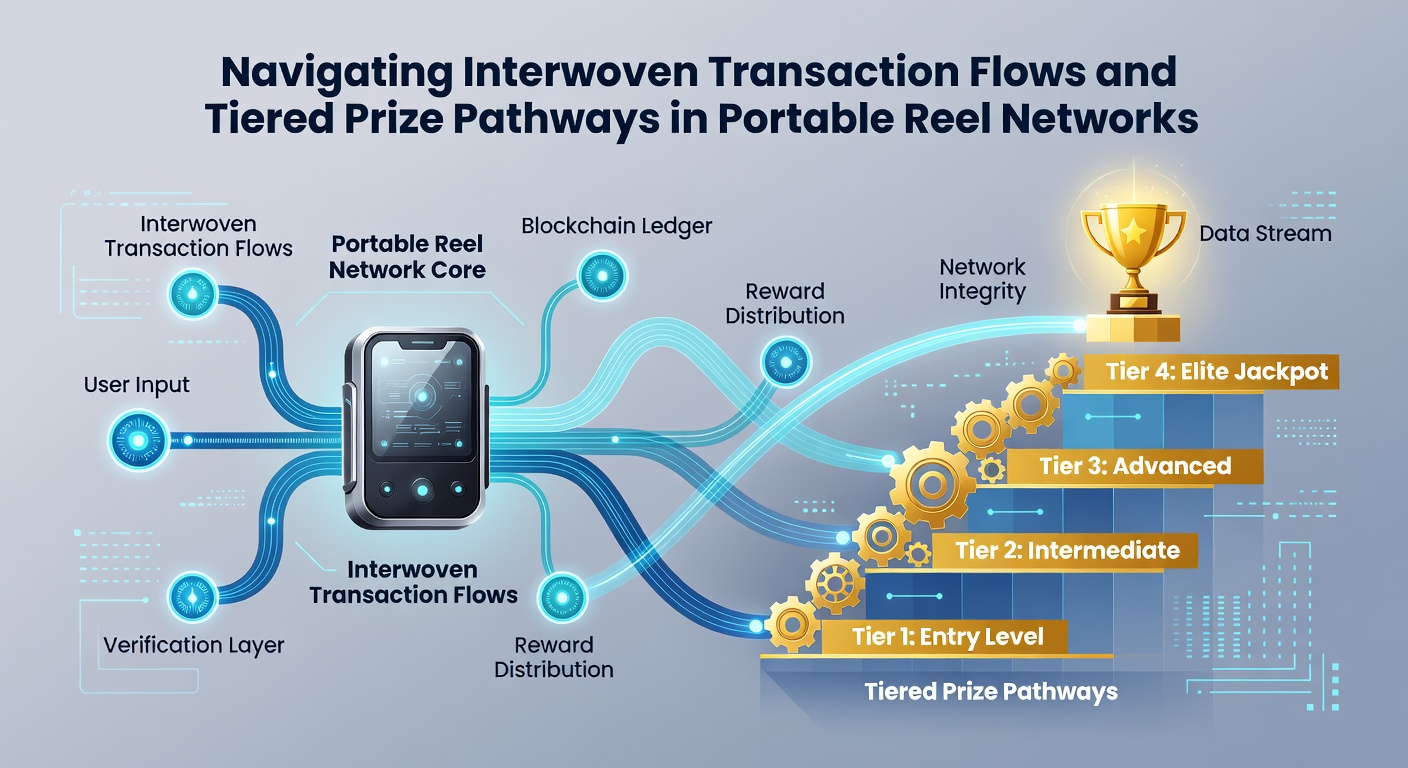
Portable reel networks operate through multiple transaction layers that link deposits, game play, and prize distribution across mobile platforms, with payment processors routing funds through secure gateways before they reach game servers. These systems coordinate real-time updates to player accounts while maintaining separation between core wagering mechanics and bonus allocation modules. Data flows from banking partners into centralized ledgers that then feed tiered reward engines responsible for unlocking progressive benefits at predetermined thresholds.
Payment Integration Patterns Across Mobile Devices
Transaction pathways in these networks typically begin with user-initiated deposits that pass through encrypted channels provided by third-party processors, after which confirmation signals trigger immediate credit adjustments visible on handheld screens. Operators maintain separate ledgers for base game stakes and promotional balances, ensuring that funds move independently yet remain synchronized through application programming interfaces that update every few seconds. Research from the New Jersey Division of Gaming Enforcement shows that average processing times for these mobile transactions dropped below three seconds in controlled platform tests conducted during 2025.
Once deposits clear, the networks route portions of each wager into progressive prize pools managed by dedicated servers that calculate contributions across thousands of simultaneous sessions. Tiered pathways activate when cumulative activity reaches set milestones, automatically shifting players into higher reward brackets that unlock additional free spin allocations or cashback percentages calculated on a sliding scale. These transitions occur without manual intervention, relying instead on algorithmic triggers embedded in the platform architecture.
Structure of Tiered Prize Pathways
Hierarchical bonus structures organize rewards into sequential levels that players advance through based on metrics such as total wagered amounts, session frequency, and account tenure. Each tier contains distinct parameters for prize multipliers, withdrawal speed adjustments, and access to exclusive game variants hosted on the same portable infrastructure. According to data compiled by the Pennsylvania Gaming Control Board, systems utilizing five or more tiers recorded a 22 percent increase in player retention rates compared with flat reward models during the first quarter of 2026.
Interwoven elements become visible when transaction confirmations directly influence tier progression speed, since larger or more frequent deposits accelerate advancement while smaller, sporadic activity maintains slower movement through the levels. Prize pathways also incorporate live dealer feeds that feed back into the same reward engines, allowing mobile users to earn tier credits from both reel-based games and streamed table sessions without switching applications. Observers note that these connections reduce friction between different game categories while preserving distinct accounting streams for each activity type.
Regulatory Developments Affecting Network Operations in May 2026
Updated technical standards scheduled for implementation across several North American jurisdictions in May 2026 require enhanced audit trails that document every movement between transaction modules and reward allocation systems. These requirements mandate timestamped logs that capture when a deposit triggers a tier change or when a prize pool contribution updates a player's position in the hierarchy. Compliance teams have already begun testing reporting tools that export these logs in standardized formats acceptable to multiple regulatory bodies.
Industry organizations such as the International Association of Gaming Regulators have published guidance documents outlining minimum encryption levels and data segmentation practices needed to keep payment flows isolated from promotional credit balances. Operators adapting their portable reel networks ahead of the May deadline report that modular software updates allow them to meet these specifications without disrupting existing player sessions or tier progression schedules.
Cross-Platform Data Synchronization Challenges
Maintaining consistency across smartphones, tablets, and emerging wearable devices requires constant reconciliation of transaction records stored in geographically distributed data centers. When a player switches devices mid-session, the network must verify the current tier status and pending prize claims before resuming play, a process completed through secure token exchanges that last under one second in optimized environments. Studies released by the University of Nevada, Las Vegas Center for Gaming Research indicate that synchronization errors have declined steadily as operators adopt unified ledger technologies that treat all portable endpoints as extensions of a single account profile.
Security protocols embedded in these flows encrypt both financial data and reward metadata during transit, preventing unauthorized alterations that could affect tier eligibility or prize calculations. Regular penetration testing conducted by independent firms confirms that the layered architecture withstands simulated attacks while preserving the speed necessary for real-time mobile experiences.
Conclusion
Portable reel networks continue to refine the connections between transaction processing and tiered reward systems through incremental technical improvements and regulatory alignment. Data from multiple oversight agencies demonstrates measurable gains in efficiency and player engagement metrics tied directly to these integrated pathways. As May 2026 approaches, further standardization of audit and synchronization procedures will likely shape how operators manage interwoven payment and prize structures across an expanding range of mobile devices.