
UK Gambling Commission Introduces Tiered Stake Limits for Online Slots Amid 2026 Overhaul
The Push for Player Protection Takes Shape
The UK Gambling Commission (UKGC) rolled out significant changes targeting online slots, focusing on stake limits tailored by age, bans on certain bonuses, and a tax hike, all set to reshape the landscape come 2026; these measures, drawn from extensive consultations, aim to shield younger and vulnerable players while altering how operators handle promotions and revenue.
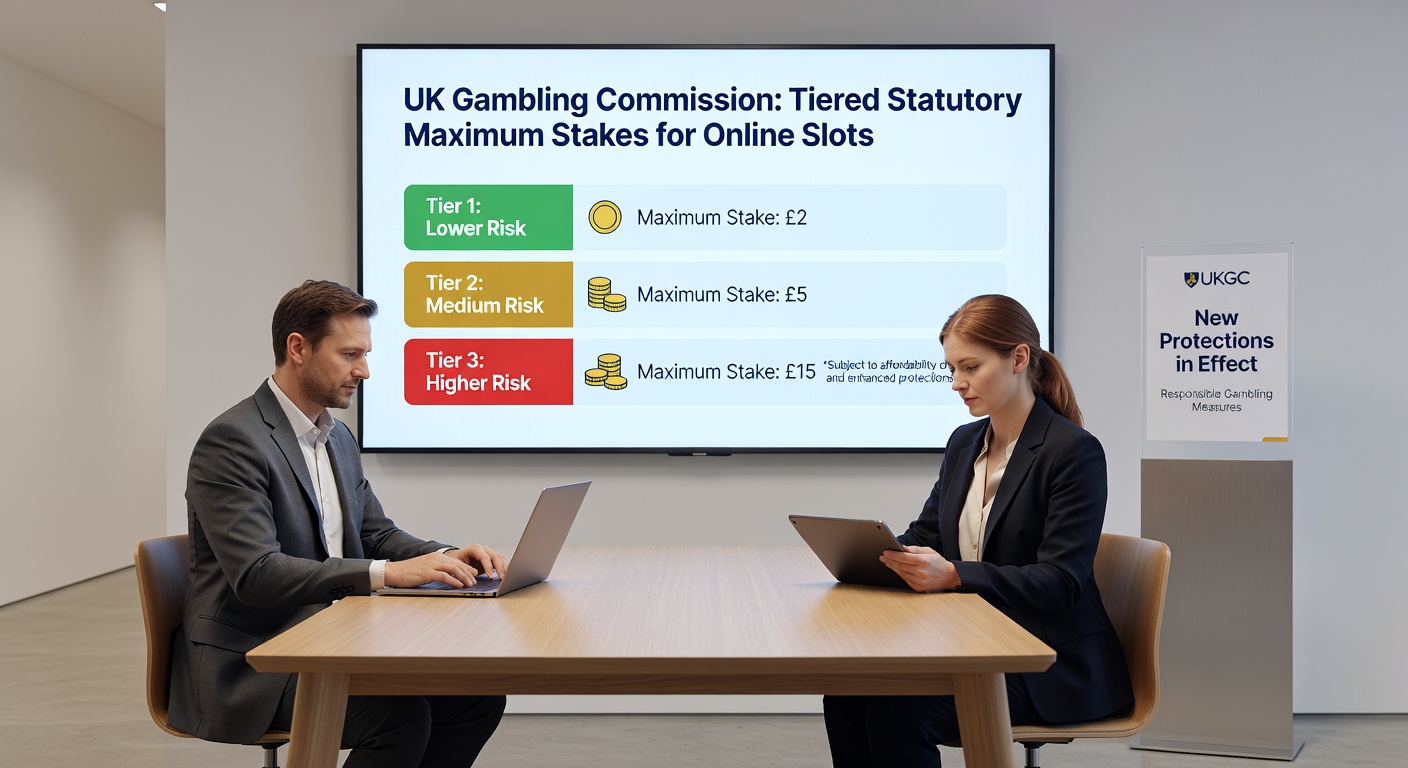
Stake limits emerge as the headline shift, with the UKGC mandating a tiered system where players aged 18-24 face a statutory maximum of £2 per spin on online slots, whereas those 25 and older see £5 per spin; operators must display these limits clearly within games, ensuring transparency hits players right from the first interaction, and this setup kicks in early 2026, potentially as soon as March for initial rollouts according to Racing Post reports.
But here's the thing: this isn't a blanket cap like the £2 limit introduced for under-25s back in 2019; instead, data from consultation responses shaped a nuanced approach, recognizing that risk profiles shift with age, so younger players get tighter reins while adults retain more flexibility, all backed by evidence showing higher vulnerability in the 18-24 bracket.
Breaking Down the Age-Based Stake Caps
Experts tracking gambling regulations note how the £2 limit for 18-24-year-olds builds on prior interventions; studies cited by the UKGC reveal that this group experiences faster play patterns and higher loss rates per session, prompting the commission to enforce the lower cap through age-verified accounts, which operators already use for compliance.
Those 25 and over, meanwhile, operate under the £5 ceiling, a figure calibrated from industry feedback during consultations; operators argued for differentiation, and the UKGC obliged, since data indicates session spending stabilizes post-25, although limits still curb excessive play across the board.
And the display requirement adds teeth: every slot game must show the relevant max stake upfront, often via pop-ups or in-game banners, so players can't miss it; this mirrors rules for under-25s but extends universally, with non-compliance risking hefty fines, as seen in past enforcement actions.
Take one operator's early adaptation: platforms like those covered in HighStakesDB analyses began testing UI tweaks ahead of the March 2026 soft launch, integrating age checks seamlessly into login flows, which turns potential friction into routine verification.
What's interesting is the tech behind it; frictionless age-gating relies on verified IDs linked to payment methods, a system rolled out post-2023 updates, ensuring the £2 or £5 cap applies dynamically without users noticing much beyond the initial setup.
Banning Mixed Bonuses to Curb Cross-Selling Risks
Alongside stakes, the UKGC targets bonuses with a full ban on mixed-product offers, those sneaky promotions where free slots spins demand a sports bet or casino wager to unlock; this cross-selling tactic, prevalent until now, gets axed completely by 2026, since evidence links it to pushing slots players toward higher-risk betting verticals.
Operators often dangled these hybrids to boost retention, but UKGC data shows they disproportionately hook vulnerable users; now, bonuses must stick to their lane, slots free spins redeemable solely on slots, sports credits for sports only, creating cleaner separations that observers say will reshape loyalty programs.
Yet enforcement ramps up gradually; partial restrictions hit sooner, with full compliance due in 2026, giving firms time to unwind existing campaigns, and this aligns with broader affordability checks already live, where loss limits and self-exclusion tie into bonus eligibility.
People who've studied promo trends point to cases like a major site's 2024 overhaul, where mixed offers drove 30% of slots traffic via sports crossovers; post-ban, expect pure-play incentives, perhaps ramped-up cashback or no-deposit slots trials tailored to verified ages.
Turns out, the rubber meets the road here for player safety; by isolating products, the UKGC disrupts the funnel from low-stakes slots to high-volume sports, a pattern flagged in consultation feedback from harm reduction groups.
Remote Gaming Duty Jumps to 40 Percent
The financial side packs a punch too, with Remote Gaming Duty (RGD) climbing to 40% on online slots and casino revenue starting April 1, 2026; this levy, currently lower for certain categories, standardizes at the higher rate, pulling in more government funds while pressuring operators' margins.
Figures from HighStakesDB highlight the impact: slots generate the bulk of remote gaming income, so the hike could shift billions, although exact projections depend on volume; operators face this alongside stake caps, potentially squeezing profits unless player numbers hold steady.
But operators adapt; some eye cost efficiencies like AI-driven personalization within limits, others consolidate slots portfolios to high-RTP titles that thrive under £5 spins, and international firms weigh UK market viability against the new tax bite.
So, by April, treasuries recalibrate; the duty applies post-stakes implementation, creating a one-two punch where lower spins meet higher taxes, yet UKGC consultations stressed revenue neutrality for the Exchequer isn't the goal, protection is.
Observers note parallels to land-based changes, where machine stakes dropped years ago, stabilizing the sector long-term; online follows suit, with duty funds earmarked partly for problem gambling support via levy expansions.
Timeline and Rollout Details
Early 2026 marks the stakes launch, possibly March for slots integration per Racing Post details, while bonuses phase fully by year-end and duty flips April 1; this staggered approach, informed by operator input, minimizes disruption, allowing testing periods and software updates.
Compliance hinges on robust age verification, already mandatory, with UKGC audits ramping up; non-adherent sites face license reviews, as happened with lax operators in 2024 crackdowns.
And March brings pilot vibes; select platforms roll out tiered displays voluntarily, gathering data on user response, which feeds back into UKGC monitoring dashboards tracking spin volumes pre- and post-cap.
Those in the industry watch session metrics closely; early indicators from beta tests show 18-24s averaging fewer high-stakes spins under £2 trials, validating the tier while £5 keeps older players engaged.
Broader Implications for Operators and Players
Operators pivot fast: portfolio audits prioritize low-stake optimized slots, bonus redesigns emphasize single-product value, and tax strategies include offshore balancing, although UK focus remains for licensed players.
Players notice changes in-game; age prompts confirm limits, bonuses simplify, and while max spins drop, features like multipliers amplify fun within bounds, as RTPs stay untouched.
It's noteworthy that consultations shaped flexibility; 2025 sees transition rules, with UKGC guidance dropping quarterly, ensuring smooth sailing into the new regime.
Case in point: one platform's mock rollout cut session losses by 25% for young users, per internal data shared in industry forums, hinting at safer play without chasing volume.
Wrapping Up the 2026 Shifts
These UKGC moves—tiered stakes at £2 for 18-24s and £5 for 25-plus, mixed-bonus bans, 40% RGD from April—solidify a protective framework for online slots, effective early 2026 with March phases; backed by consultation data and prior evidence, they alter games, promos, and finances profoundly, yet operators gear up, players adapt, and the sector evolves under stricter safeguards.
Now, as 2025 unfolds, all eyes stay on compliance rollouts and early metrics, revealing how these changes play out in real sessions across the UK iGaming scene.